










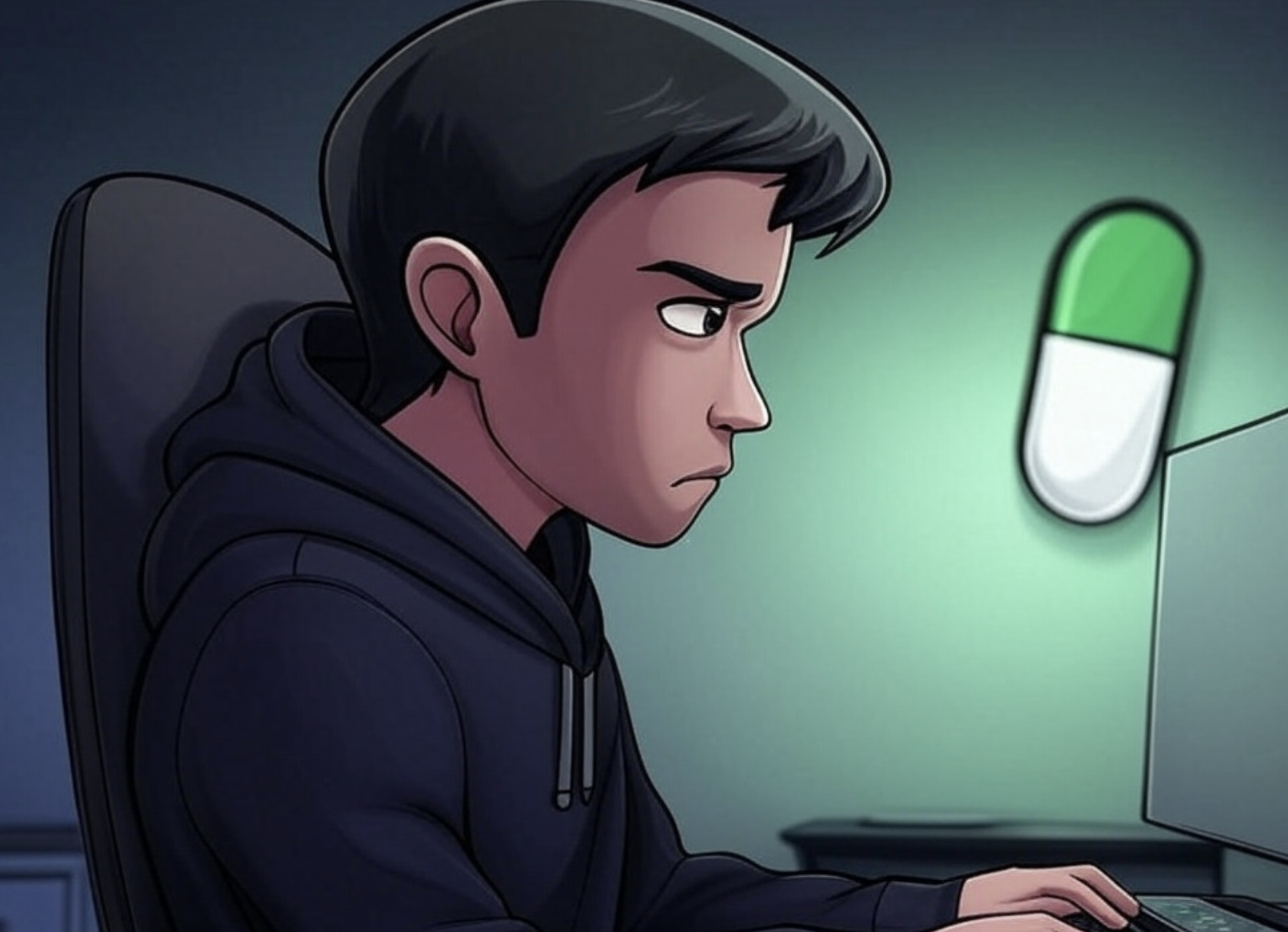
PumpFun recently took action to remove tokens associated with the Bybit hacker after uncovering their involvement in laundering stolen funds through rapid trading of memecoins.
The hacker behind the Bybit breach used PumpFun’s platform to introduce the memecoin ‘QinShihuang,’ executing trades that totaled $26 million in just three hours before being flagged and removed.
Memecoin Trading as a Laundering Tool
Investigations revealed that the Lazarus hacking group, a North Korean cyber organization, had created the “QinShihuang” token on PumpFun. They transferred 60 SOL to a specific address, which was then used to mint 500,000 tokens. In less than three hours, the trading volume for the token reached $26 million.
The hackers used the volatility of the memecoin market to move stolen funds quickly, making it difficult to trace the transactions. The stolen tokens were sold off to various traders who were unaware of their origins, making it hard to link the funds back to the illicit activity.
Concealing Stolen Funds
The Lazarus group employed additional strategies to further obscure the origins of the funds. One key method involved using the eXch exchange platform to convert stolen assets into SOL. These were then exchanged into more obscure cryptocurrencies like Bitcoin and Monero, making it even harder to track the illicit funds.
This incident underscores an ongoing issue within the digital asset space: Balancing financial freedom with preventing illicit activities. As governments tighten regulations, cryptocurrency platforms are facing increasing pressure to find solutions to this dilemma.
Disclaimer: This content does not constitute trading or investment recommendations. It’s essential to conduct your own research before purchasing any cryptocurrency or investing in any services.