
















Cryptocurrency has exploded in popularity over the past decade, but for beginners, it can seem complex and overwhelming. If you’re new to the world of crypto, here’s a simplified guide to help you understand the basics and get started.
What Is Cryptocurrency?
At its core, cryptocurrency is a digital or virtual form of money that uses cryptography for security. Unlike traditional currencies, cryptocurrencies are decentralized, meaning they aren’t controlled by any government or financial institution. The most well-known cryptocurrency is Bitcoin, but there are thousands of others like Ethereum, Ripple (XRP), and Litecoin.
Blockchain Technology
Cryptocurrencies operate on blockchain technology, which is essentially a digital ledger. Every transaction is recorded in a “block” and linked to the previous one, creating a “chain.” This system is transparent and secure, making it hard for anyone to tamper with the records.
Blockchain is the backbone of cryptocurrency, ensuring transactions are secure and decentralized.
How Do You Buy and Store Cryptocurrency?
To buy cryptocurrency, you’ll need to use a crypto exchange platform such as Coinbase, Binance, or Kraken. These platforms allow you to trade traditional money (like USD or Euros) for digital currencies.
Once you purchase crypto, you’ll need a digital wallet to store it. Wallets come in two forms:
- Hot Wallets: These are online wallets connected to the internet, offering convenience but slightly less security.
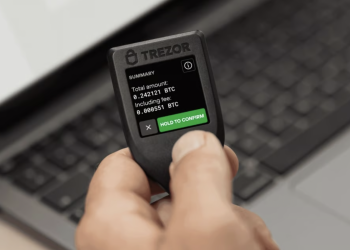
- Cold Wallets: These are offline wallets, typically hardware devices, offering greater security for long-term storage.

How Does Cryptocurrency Gain Value?
Cryptocurrencies can gain or lose value based on supply and demand, market speculation, and investor interest. For example, if more people are buying Bitcoin than selling it, the price goes up. Factors like media attention, technological advancements, and regulation also play a role in influencing the market.
What Are the Risks?
While cryptocurrency offers great potential, it also comes with risks. Prices can be extremely volatile, sometimes rising or falling drastically within hours. Cryptocurrencies are also susceptible to hacking, fraud, and regulatory changes, so it’s crucial to be cautious and never invest more than you can afford to lose.
Common Terms You Should Know
- Altcoins: Any cryptocurrency that isn’t Bitcoin.
- Mining: The process of verifying and adding transactions to the blockchain, for which miners are rewarded with new cryptocurrency.
- Private Key: A secure key that allows you to access and manage your cryptocurrency. Keep it safe, as losing it means losing access to your funds.
- Wallet: A digital tool for storing and managing your cryptocurrency.

Is Cryptocurrency Legal?
The legality of cryptocurrency varies by country. Some nations embrace it, while others have banned or heavily regulated its use. Always check the regulations in your country before getting involved.
Final Thoughts for Beginners
Before jumping into the world of cryptocurrency, it’s important to do thorough research and understand the risks. Start small, use reputable exchanges, and always secure your assets. Cryptocurrency has immense potential, but it’s essential to stay informed and cautious as you explore this new digital frontier.
Disclaimer: This content does not constitute trading or investment recommendations. It’s essential to conduct your own research before purchasing any cryptocurrency or investing in any services.